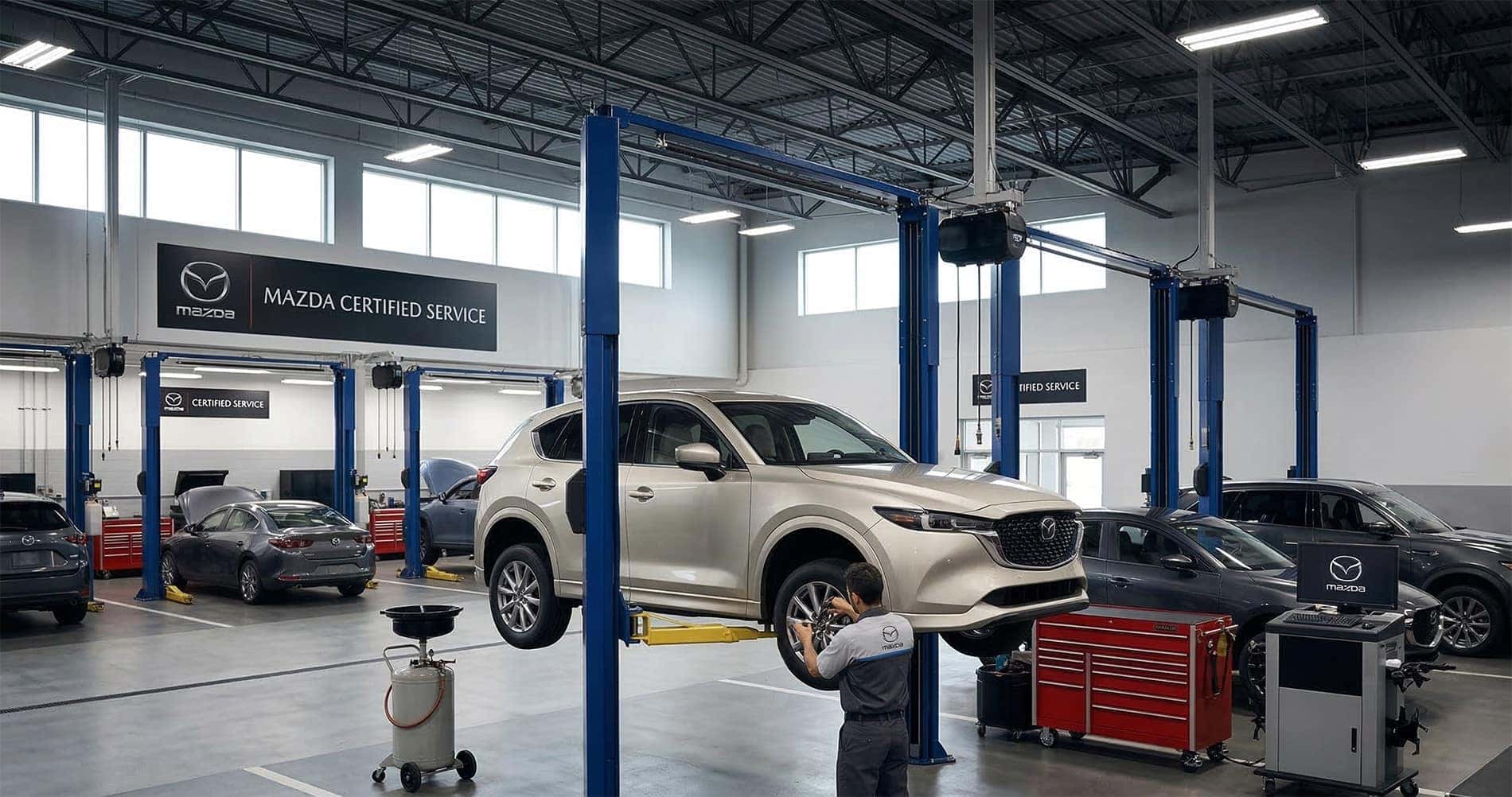
Understanding the 2026 Mazda CX-5 maintenance schedule starts with knowing that not every driver follows the same service path. Mazda separates maintenance into different schedules based on how the vehicle is driven, which means factorUnderstanding the 2026 Mazda CX-5 maintenance schedule starts with recognizing that not every driver follows the same service path. Mazda separates maintenance into different schedules based on how the vehicle is driven, which means factors like short trips, dusty roads, extended idling, temperature extremes, and overall driving conditions can directly affect how often certain services should be performed. That makes it important to look beyond a simple oil change interval and understand the full service picture.
In this guide, we break down the key parts of the 2026 Mazda CX-5 maintenance schedule in a way that is easier to follow. You will find tables covering Schedule 1 and Schedule 2 service intervals, examples of severe driving conditions, and maintenance items such as oil changes, tire rotation, spark plugs, filters, coolant, and inspection points. We also translate those intervals into real-world terms, helping you understand how service timing may change based on how the vehicle is actually used.
For many drivers, that difference becomes more noticeable over time — like frequent short trips and stop-and-go driving around Savannah compared to longer, steady drives out toward Bluffton. It can also show up in situations like sitting through extended traffic backups along I-16, where idling and heat place additional strain on key components. By combining official maintenance guidance with practical context, this guide is designed to make the 2026 Mazda CX-5 maintenance schedule easier to compare, understand, and apply to everyday ownership.s like short trips, dusty roads, extended idling, temperature extremes, and overall driving conditions can directly affect how often certain services should be performed. That makes it important to look beyond a simple oil change interval and understand the full service picture.
In this guide, we will break down the key parts of the 2026 Mazda CX-5 maintenance schedule in a way that is easier to follow. You will find tables covering Schedule 1 and Schedule 2 service intervals, severe driving condition examples, and maintenance items such as oil changes, tire rotation, spark plugs, filters, coolant, and inspection points. We will also explain what those intervals mean in practical terms so shoppers and owners can better understand how the CX-5 fits into long-term ownership.
If you are researching routine upkeep before buying or simply want a clearer look at what to expect over time, this guide is designed to make the 2026 Mazda CX-5 maintenance schedule easier to compare, understand, and use.
| Severe Driving Conditions | |
|---|---|
| Driving Condition Type | Examples That Require Schedule 2 |
| Frequent Short Trips & Low-Speed Use | Repeated Short-Distance Driving, Extended Periods of Idling or Low-Speed Operation |
| Dust, Dirt & Rough Road Use | Driving in Dusty Conditions, Driving on Rough or Muddy Roads |
| Brake-Heavy or Mountain Driving | Driving With Extended Use of Brakes, Driving in Mountainous Conditions Continually |
| Extreme Weather or Climate Exposure | Driving for Long Periods in Cold Temperatures or Extremely Humid Climates, Driving in Extremely Hot Conditions |
| Corrosive Environment Exposure | Driving in Areas Where Salt or Other Corrosive Materials Are Used |
One of the most useful takeaways from this chart is that “severe” driving does not just mean extreme off-road use or unusually harsh conditions. In real life, the 2026 Mazda CX-5 maintenance schedule treats many everyday habits as Schedule 2 driving. That includes frequent short trips, long stretches of idling, rough roads, heavy braking, and regular exposure to heat, humidity, dust, or road salt.
For many drivers, that matters more than it may seem at first. A commuter in Savannah who spends time in stop-and-go traffic, or a driver in Beaufort making repeated short errands throughout the week, may fall into the more demanding schedule even without putting huge miles on the vehicle. The same can apply to someone near Bluffton who regularly drives in hot weather, on construction-marked roads, or in conditions that put extra stress on tires, brakes, and fluids.
That is why understanding the Mazda CX-5 maintenance schedule is about more than following a generic timeline. It helps you match service intervals to how the vehicle is actually used. Instead of assuming your driving is “normal,” this table gives a more practical way to think about maintenance. If your CX-5 sees a lot of low-speed driving, rough pavement, or climate-related wear, Schedule 2 may be the better guide for protecting long-term performance and keeping routine service on track.
| Schedule 1 Maintenance Intervals | |
|---|---|
| Maintenance Item | Interval |
| Engine Oil & Filter | Replace When Wrench Indicator Light Is ON (Max Interval: 12 Months or 12,000 km (7,500 Miles)) |
| Spark Plugs – SKYACTIV-G 2.5T | Replace Every 64,000 km (40,000 Miles) |
| Spark Plugs – Except SKYACTIV-G 2.5T | Replace Every 120,000 km (75,000 Miles) |
| Air Filter | Replace at 36 Months / 36,000 km (22.5 Miles) & 84 Months / 84,000 km (52.5 Miles) |
| Drive Belts | Inspect at 36 Months / 36,000 km (22.5 Miles) & 84 Months / 84,000 km (52.5 Miles) |
| Engine Coolant | Replace at First 192,000 km (120,000 Miles) or 10 Years; After That, Every 96,000 km (60,000 Miles) or 5 Years |
| Tire Rotation | Rotate Every 12,000 km (7,500 Miles) |
| Cabin Air Filter | Replace at 24, 48, 72 & 96 Months |
| Emergency Flat Tire Repair Kit (If Equipped) | Inspect Annually |
Schedule 1 is the lighter-duty side of the 2026 Mazda CX-5 maintenance schedule, and it will likely feel more familiar to drivers who do not regularly deal with harsher driving conditions. The main pattern here is that service is spaced farther apart than Schedule 2, which can make ownership feel a little simpler and easier to plan around. For many drivers, the most noticeable intervals are the oil change reminder, tire rotations every 12,000 km (7,500 miles), and longer gaps between major replacement items.
In everyday use, that means a driver in Savannah or Hilton Head who mainly takes longer trips, avoids rough roads, and does not spend much time idling in traffic may fall into this less demanding schedule. The oil and filter are still important, but instead of a fixed short interval, Mazda ties that service to the wrench indicator light, with a maximum interval of 12 months or 12,000 km (7,500 miles). That gives the Mazda CX 5 maintenance schedule a little more flexibility for drivers whose habits are easier on the vehicle.
It is also helpful that many of the bigger maintenance items are pushed well down the road. Spark plugs, engine coolant, and even some filter and belt inspections are not immediate concerns for most new owners. For drivers near Beaufort who want a clear long-term view of ownership, Schedule 1 shows that routine upkeep can stay manageable while still protecting performance, efficiency, and day-to-day dependability.
| Schedule 2 Maintenance Intervals | |
|---|---|
| Maintenance Item | Interval |
| Engine Oil & Filter – Flexible | Replace When Wrench Indicator Light Is ON (Max Interval: 12 Months or 12,000 km (7,500 Miles)) |
| Engine Oil & Filter – Fixed | Replace Every 6 Months or 8,000 km (5,000 Miles) |
| Spark Plugs – SKYACTIV-G 2.5T | Replace Every 64,000 km (40,000 Miles) |
| Spark Plugs – Except SKYACTIV-G 2.5T | Replace Every 120,000 km (75,000 Miles) |
| Air Filter | Replace at 36 Months / 48,000 km (30,000 Miles) & 72 Months / 96,000 km (60,000 Miles) |
| Drive Belts | Inspect at 18, 42 & 66 Months |
| Engine Coolant | Replace at First 192,000 km (120,000 Miles) or 10 Years; After That, Every 96,000 km (60,000 Miles) or 5 Years |
| Engine Coolant Level | Inspect Every 6 Months or 8,000 km (5,000 Miles) |
| Function of All Lights | Inspect Every 6 Months or 8,000 km (5,000 Miles) |
| Brake & Clutch Fluid Level | Inspect Every 6 Months or 8,000 km (5,000 Miles) |
| Disc Brakes | Inspect Every 6 Months or 8,000 km (5,000 Miles) |
| Tire Rotation | Rotate Every 8,000 km (5,000 Miles) |
| Tire Inflation Pressure & Tire Wear | Inspect Every 6 Months or 8,000 km (5,000 Miles) |
| All Locks & Hinges | Lubricate Every 6 Months or 8,000 km (5,000 Miles) |
| Washer Fluid Level | Inspect Every 6 Months or 8,000 km (5,000 Miles) |
| Cabin Air Filter | Replace Every 48,000 km (30,000 Miles) or 2 Years |
| Emergency Flat Tire Repair Kit (If Equipped) | Inspect Annually |
Schedule 2 represents the more intensive side of the 2026 Mazda CX-5 maintenance schedule, with a focus on shorter intervals and more frequent inspections. For drivers who fall into the severe-use category, key checks come up every 6 months or 8,000 km (5,000 miles). That includes items like coolant level, brake and clutch fluid, tire condition, washer fluid, and disc brake inspections — creating a more active and consistent service routine than many expect.
In everyday ownership, the most noticeable difference comes from how often core services are required. Engine oil changes, tire rotations, and brake inspections all follow that same 8,000 km interval. For drivers dealing with frequent stop-and-go traffic around Savannah or regular short trips near Bluffton, those shorter intervals help account for added wear that builds up more quickly in real-world conditions. Tire rotations at that same frequency also support more even wear, especially with consistent daily driving.
That pattern becomes even more relevant in situations like extended idling along I-16, where heat and low-speed driving can put additional strain on fluids and braking components. Longer-term items still follow a wider schedule — spark plugs at 64,000 km (40,000 miles) for the 2.5T or 120,000 km (75,000 miles) for other engines, and coolant at extended intervals — but the overall structure of Schedule 2 is built around staying ahead of wear. It’s a maintenance approach that prioritizes consistency, helping drivers avoid unexpected issues by addressing smaller items before they build into larger ones.

Choosing the right 2026 Mazda CX-5 maintenance schedule starts with understanding how you actually use your SUV. Some drivers spend most of their time on steady daily commutes and predictable errands, while others deal with repeated short trips, heavy traffic, long idling periods, rougher roads, or more demanding weather conditions. That is why the Mazda CX-5 maintenance schedule is not one-size-fits-all. Mazda separates service into Schedule 1 and Schedule 2 so maintenance timing can better match real-world driving.
For many owners, Schedule 1 will cover normal driving habits and provide a straightforward path for routine upkeep. That can make ownership feel easier to plan, especially for drivers who want clear expectations around oil changes, tire rotation, filters, and longer-term service items. For some shoppers in Savannah, that kind of predictable maintenance structure is part of what makes the CX-5 feel practical over time.
Schedule 2 becomes important when the vehicle is used in more severe conditions. Frequent short-distance driving, dusty roads, extended low-speed use, extreme heat, mountainous routes, and other harsher environments can all shorten service intervals. In those situations, the Mazda CX 5 maintenance schedule becomes more proactive, helping protect performance and long-term durability before wear has a chance to build up. For drivers in Bluffton who want to stay ahead of maintenance instead of reacting to it later, that difference matters.
In the end, choosing the right service path is really about matching maintenance to your routine. A driver in Beaufort may not need the same schedule as someone who faces tougher road and climate conditions every week. By understanding how Schedule 1 and Schedule 2 work, it becomes much easier to follow the 2026 Mazda CX-5 maintenance schedule with confidence.
At J.C. Lewis Mazda, we approach maintenance a little differently. Instead of treating the 2026 Mazda CX-5 maintenance schedule like a list of intervals, we focus on how it actually plays out over time. Service only makes sense when it connects to real driving habits, and that’s where clarity matters most.
For example, shorter trips around Savannah or consistent daily driving near Bluffton can quietly shift how often your CX-5 needs attention. Those patterns don’t always feel obvious at first, but they have a real impact on things like oil condition, brake wear, and fluid performance. Understanding that early helps you stay ahead instead of playing catch-up later.
It’s the same idea when you think about how your vehicle is used week to week — whether that’s regular errands, longer drives, or time spent parked in the sun during a busy afternoon at Savannah Civic Center events. Those details shape how maintenance actually applies in real life.
Our role is to help you connect those dots. When you understand how the schedule fits your routine, it becomes easier to plan, easier to manage, and far less likely to turn into an unexpected issue down the road.
DISCLAIMERS:
*Maintenance intervals, inspection points, and service requirements are based on Mazda factory-recommended guidelines for the 2026 Mazda CX-5. Always refer to your Owner’s Manual for complete maintenance details and schedule applicability.
*Actual maintenance needs may vary based on driving habits, road conditions, climate, vehicle usage, and other factors.
*Certain service intervals differ depending on engine type, equipment, and whether the vehicle is operated under Schedule 1 or Schedule 2 driving conditions.
*Features, specifications, vehicle details, and maintenance information are subject to change without notice. Please contact J.C. Lewis Mazda for the most current information.