The Toyota RAV4 has earned its reputation by doing a lot of things well. It gives shoppers the blend they usually want from a compact SUV: practical space, strong fuel economy, solid everyday usability, and broad name recognition. That popularity also creates a simple question for a lot of drivers: what else deserves a serious look before making the same default choice?
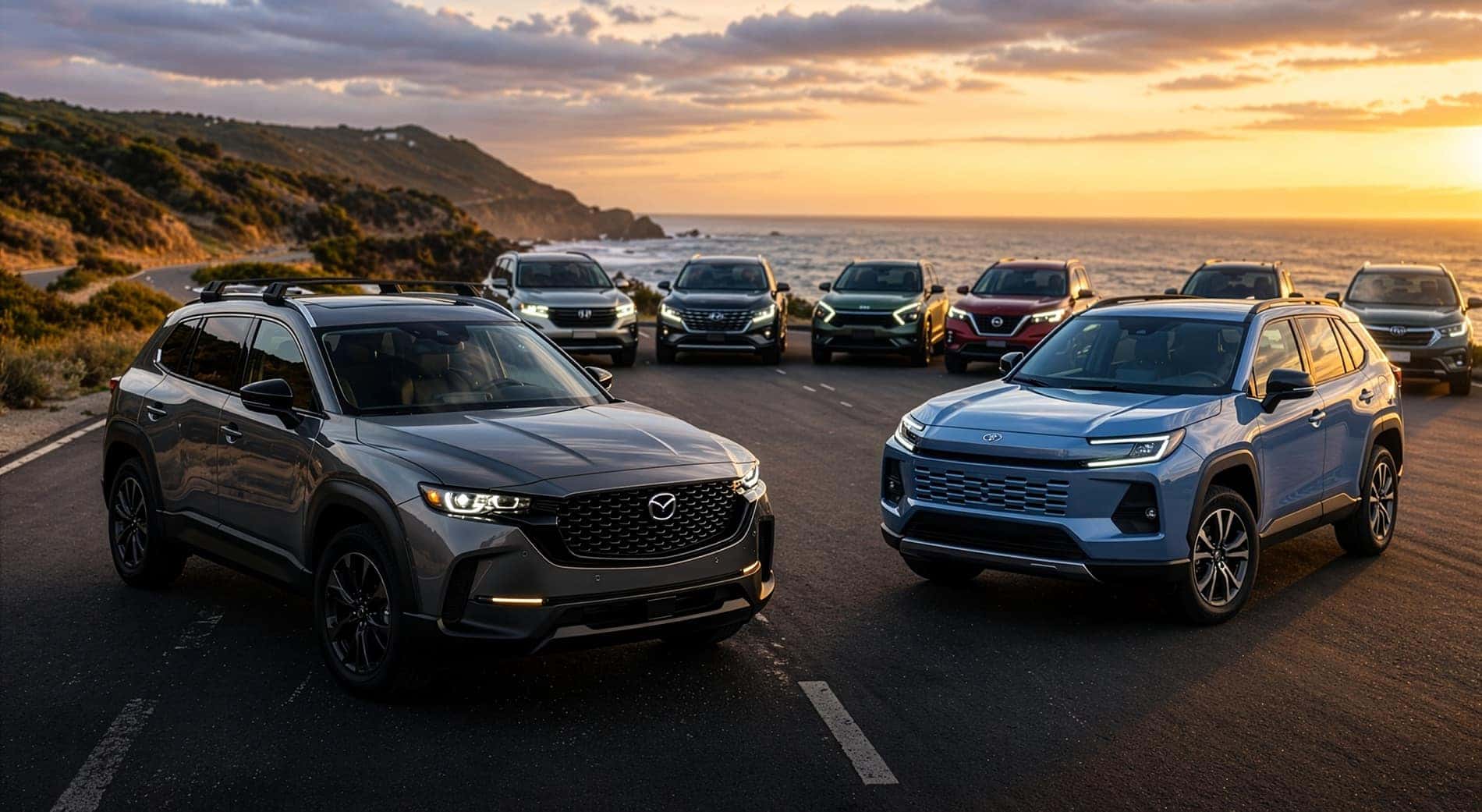
The answer is that there are several strong cars like the Toyota RAV4, but they do not all solve the same problem. Some focus more on cargo space and rear-seat comfort. Some deliver stronger hybrid value. Some lean into technology, standard features, or all-weather confidence. Mazda stands out here because it gives RAV4 shoppers more than one credible answer depending on what matters most. The Mazda CX-50 works as one of the strongest all-around RAV4 competitors, the Mazda CX-50 Hybrid gives hybrid shoppers a direct Mazda answer, the Mazda CX-5 raises the bar for driving feel and interior quality, and the Mazda CX-30 covers drivers who want the same kind of versatility in a more manageable footprint.
In the sections below, we break down the top Toyota RAV4 competitors, the best hybrid alternatives, the strongest Mazda answers, and the real ownership differences that actually shape this decision. The goal is not to make the list longer than it needs to be. The goal is to make the choice clearer.
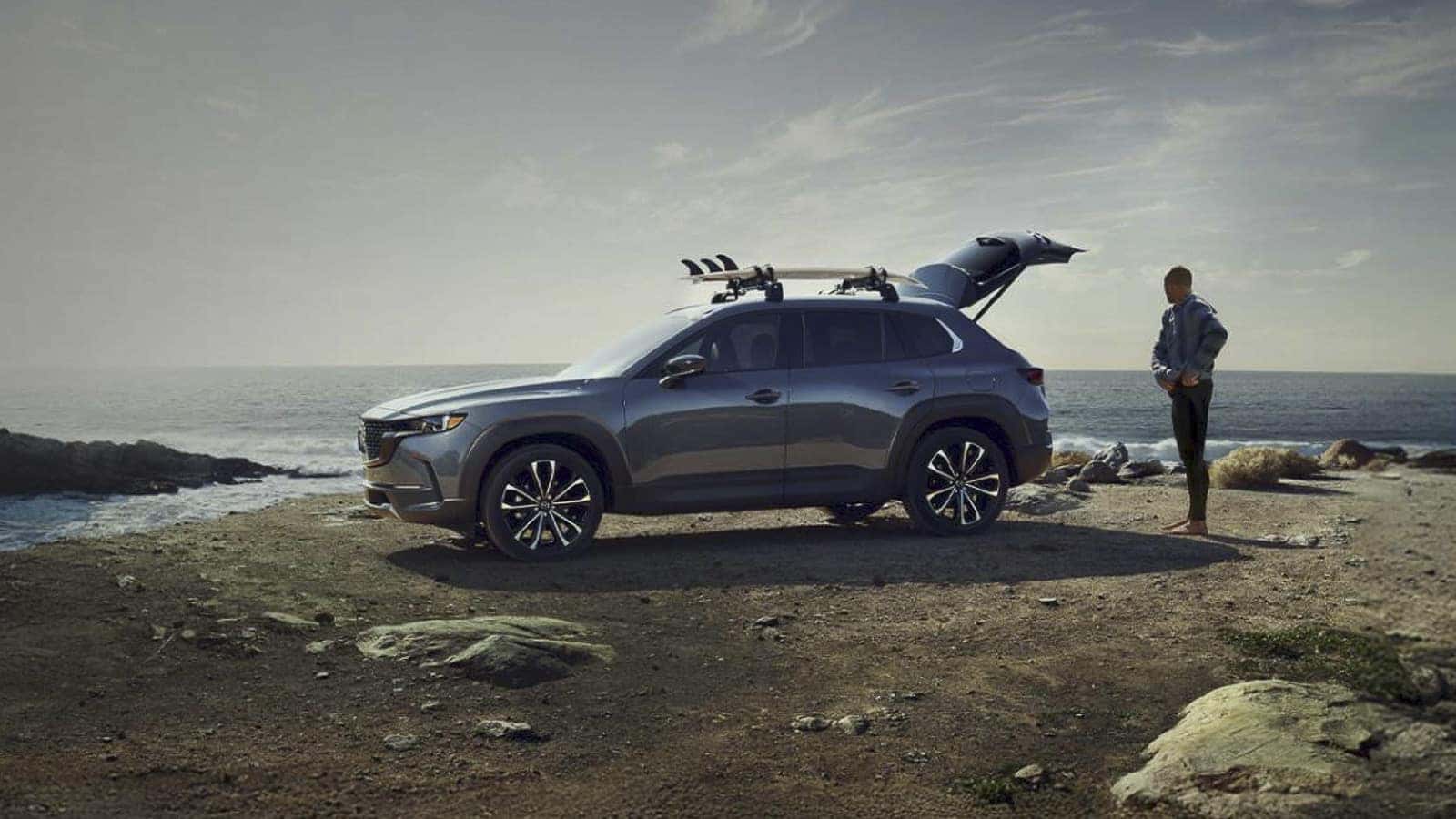
Car and Driver places the CX-50 near the very top of the compact SUV segment, highlighting its playful handling, upscale interior, and strong overall balance. It stands out as one of the few vehicles in this class that still feels connected and engaging from behind the wheel, while delivering the everyday comfort and usability shoppers expect. That combination is what pushes it ahead of more familiar options like the RAV4 in overall rankings.
The CX-50 fits naturally into daily life around Savannah and the Lowcountry because it balances comfort, size, and capability without overcomplicating things. It moves easily through city driving, handles longer stretches out toward Bluffton or Beaufort with a more settled ride, and gives you the cargo flexibility to load up for the weekend without feeling oversized the rest of the week. The cabin stays comfortable in heat and humidity, and the overall driving feel keeps it from turning into just another appliance. It’s the kind of SUV that works with your routine instead of forcing you to adapt to it.
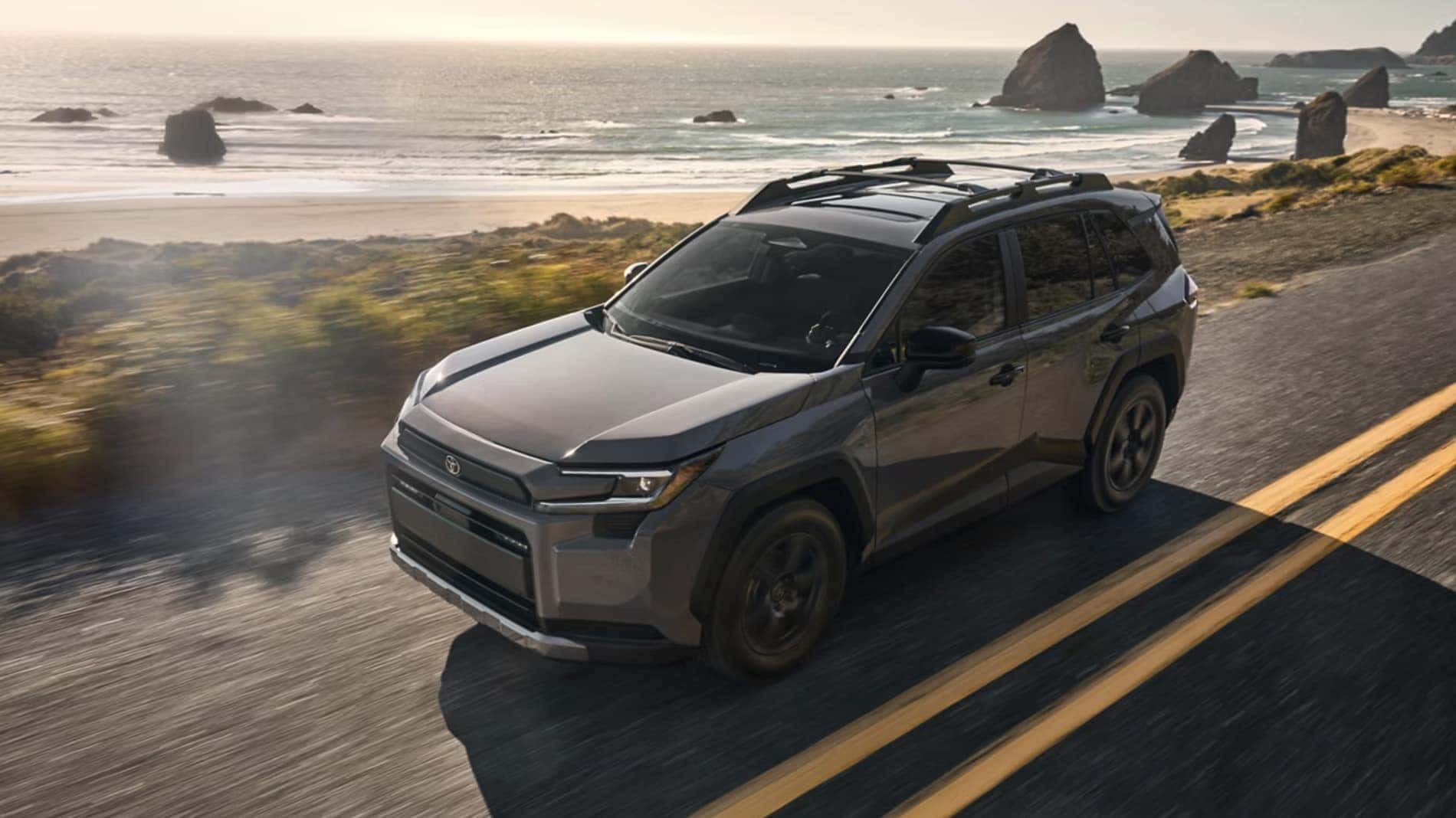
The Toyota RAV4 has built its reputation on doing things well enough. It’s efficient and predictable, which is exactly why it shows up on so many shortlists right away.
The Mazda CX-50 takes a different approach. Instead of aiming for broad appeal, it focuses on how the vehicle actually feels once you’re driving it every day. Acceleration responds more naturally, steering stays more controlled at highway speeds, and the overall experience feels more settled instead of just serviceable.
Inside, the difference becomes more noticeable over time. The CX-50 uses materials and controls that hold up better through daily use, with a layout that stays straightforward instead of relying on layers of screens or menu-heavy interactions. It’s a cabin that feels more intentional every time you get in.
You still get the same flexibility and usability that bring people into the RAV4 in the first place. The CX-50 just carries those strengths with more consistency and a higher level of execution, which is what tends to stand out once drivers spend time in both.
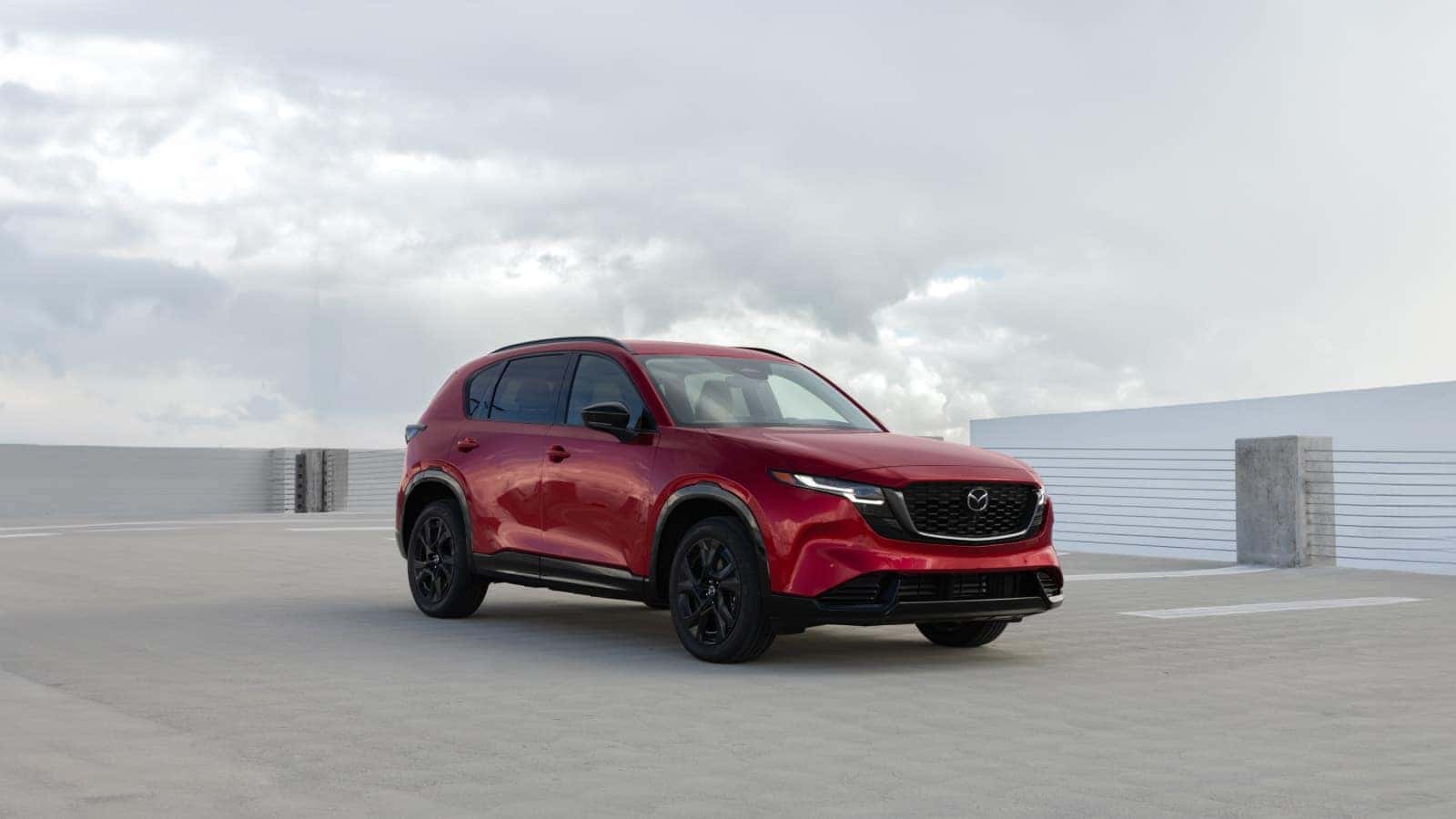
Car and Driver continues to rank the CX-5 near the top of the compact SUV segment thanks to its combination of refinement and driving dynamics. It stands out for its upscale interior, composed ride, and ability to feel more responsive and connected than most mainstream competitors. Even in a crowded class, the CX-5 maintains a reputation as one of the most well-rounded and polished options available.
The CX-5 fits especially well for drivers around Savannah and the Lowcountry who spend more time in the vehicle day to day. Its ride stays smooth and controlled on longer drives, and the cabin feels comfortable and quiet in heat and humidity. It handles errands, commuting, and everyday driving with ease while still feeling composed on longer stretches toward Bluffton or Hilton Head. For drivers who want a compact SUV that feels calm, refined, and easy to live with, the CX-5 delivers that experience consistently.
The Toyota RAV4 earns its spot by doing everything well enough. It’s practical, efficient, and easy to live with, which is exactly why it’s one of the most popular compact SUVs on the road. For many drivers, it checks the boxes they care about without asking them to think too hard about the decision.
The Mazda CX-5 approaches that same space differently. Instead of focusing on being the most functional option on paper, it focuses on how the vehicle feels once you’re behind the wheel and living with it every day. The CX-5 uses a traditional automatic transmission that responds more naturally, steering that tracks more precisely, and a cabin that feels more solid and intentionally designed from the driver’s seat.
You still get the everyday usability that brings people into the RAV4 in the first place—comfortable seating, flexible cargo space, and a manageable size for commuting and errands. The difference is how the CX-5 carries that experience. It feels quieter, more controlled, and more refined over time, especially on longer drives or daily routes where small details start to matter more.
For drivers deciding between the two, the CX-5 tends to stand out once the comparison moves beyond specs and into real ownership. It delivers the same core practicality, but with a higher level of driving confidence and interior quality, which is what ultimately shifts the decision for many shoppers.
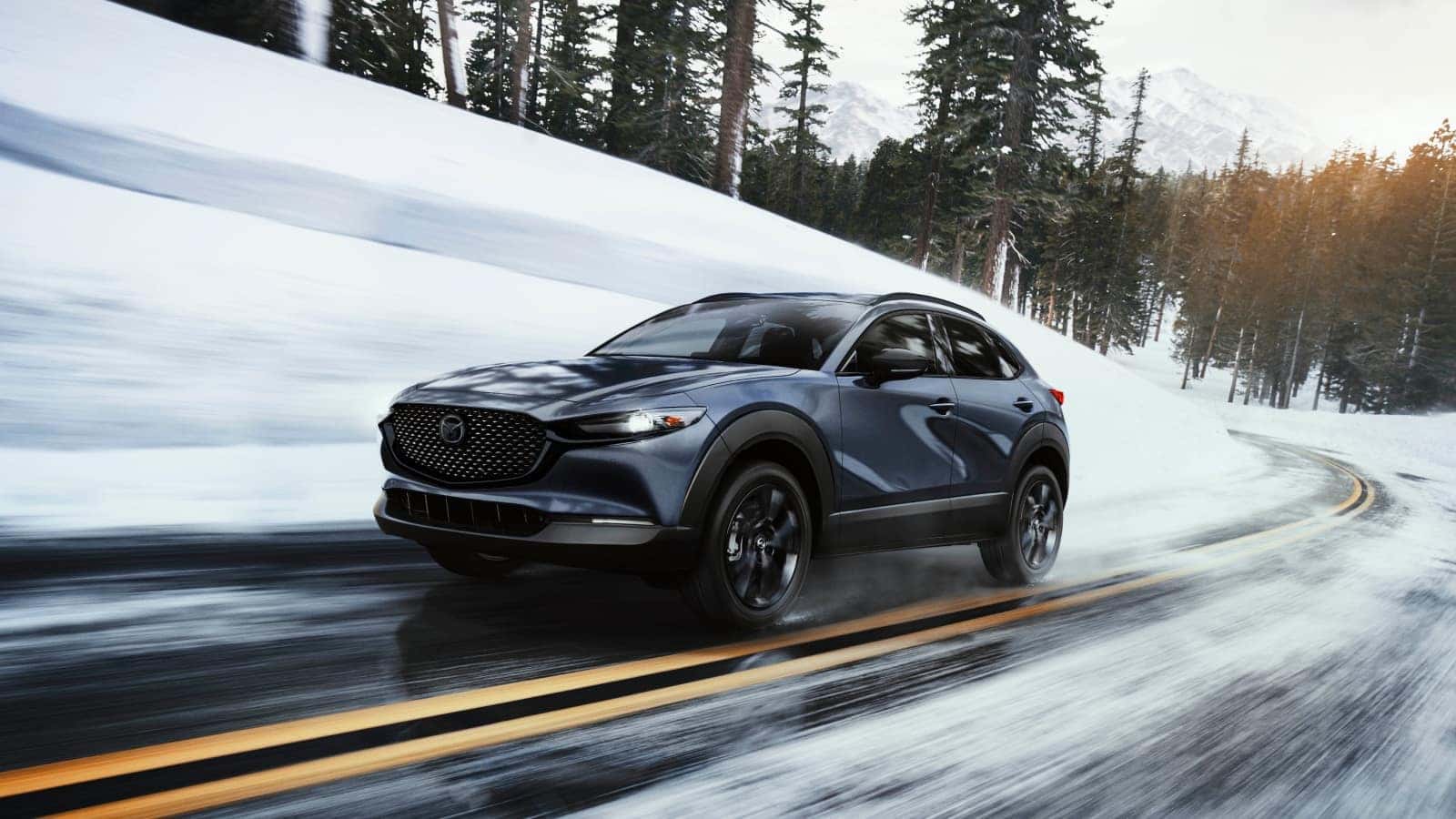
Car and Driver ranks the CX-30 near the very top of the subcompact SUV segment and calls out its upscale interior, athletic handling, and overall balance as key strengths. It stands apart from most small crossovers by delivering a driving experience that feels responsive and composed, along with a cabin that looks and feels closer to a luxury vehicle than a typical entry-level SUV. That combination is what consistently keeps it near the top of the rankings.
The CX-30 fits especially well for drivers around Savannah, Bluffton, and Hilton Head who want something that’s easy to live with every day. It moves through tighter downtown streets and parking areas without effort, handles commutes along Highway 278 or I-95 with a more settled, controlled feel, and still gives you enough space for groceries, beach gear, or a quick weekend trip. The cabin stays quiet and comfortable even in heat and humidity, and the smaller footprint makes it feel like less work to drive without giving up the refinement people notice right away.
The Toyota RAV4 focuses on size and broad utility, which is why it works initially for a wider range of people.
The Mazda CX-30 answers a different version of that question. It focuses on how the vehicle feels every time you drive it. Acceleration responds more naturally, steering tracks with more precision, and the overall experience stays more composed and controlled in daily use.
Inside, the CX-30 delivers one of the biggest advantages in this segment. The cabin feels closer to a luxury vehicle, with higher-quality materials, a cleaner layout, and a more solid overall build—without the higher price tag that usually comes with that level of refinement.
This is the right choice for a driver who wants something easy to manage, comfortable to live with, and noticeably more refined every time they get behind the wheel. The CX-30 delivers everyday versatility with a higher level of quality, control, and confidence built into the experience.
Car and Driver still gives the RAV4 credit for its efficient hybrid powertrains, competitive feature content, and overall practicality. That explains why it remains one of the most recognized vehicles in the segment. At the same time, their rankings show that the class has moved forward around it. More highly ranked alternatives now deliver a better overall driving experience, a more refined cabin, or a stronger value equation.
The RAV4 makes a strong case if fuel efficiency and familiarity are your top priorities. But once you start comparing how these vehicles actually feel day to day, the CX-50 becomes the more complete choice. It delivers a more refined interior, a more composed ride, and a driving experience that feels more connected and confident instead of just functional.
You still get the everyday practicality that brings people into this segment in the first place. What changes is how the vehicle fits into your routine. The CX-50 feels more intentional, more comfortable over time, and more rewarding behind the wheel. For many shoppers, that combination makes it the better long-term decision once the comparison goes beyond reputation and into real ownership.
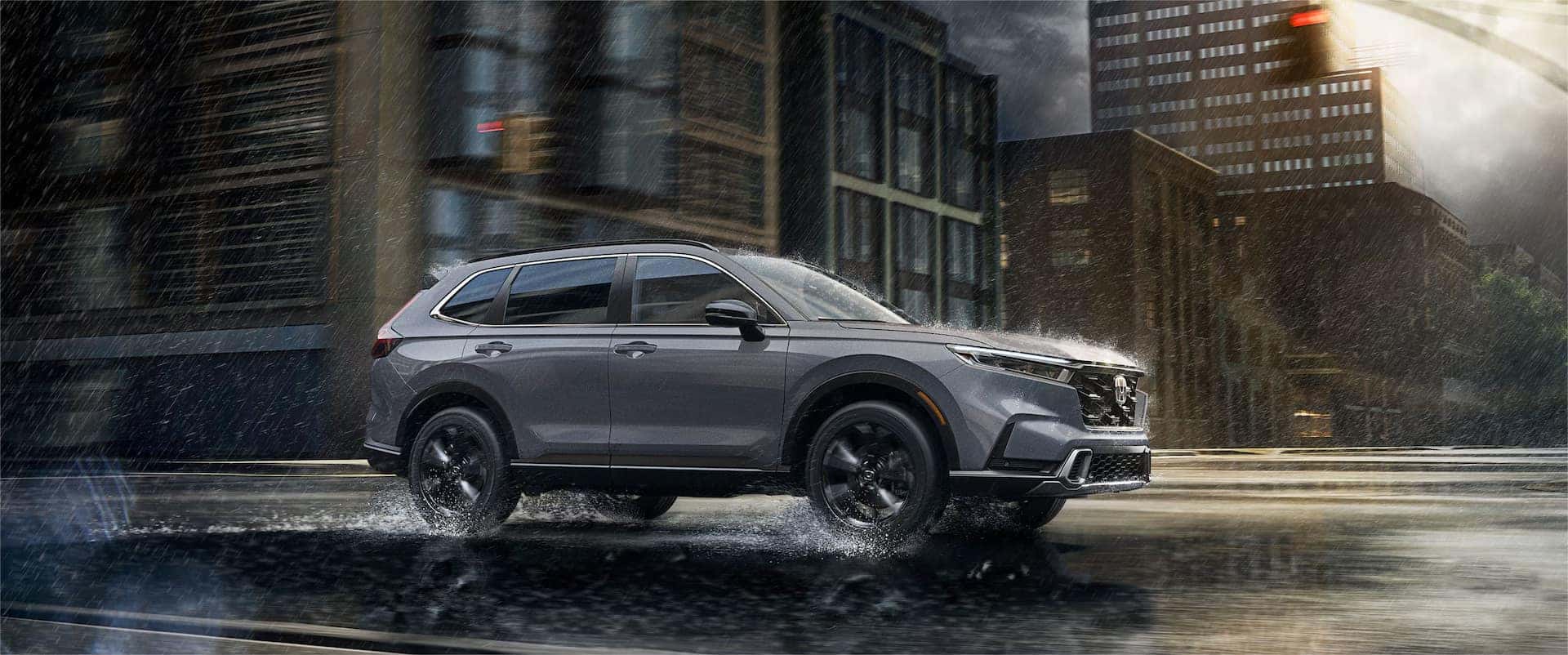
The Honda CR-V and Toyota RAV4 both succeed by keeping things simple. The CR-V leans toward space and comfort, while the RAV4 focuses on practicality and efficiency. Both deliver what most drivers need from a compact SUV without adding much beyond that baseline.
The Mazda CX-50 takes that same foundation and elevates it. It keeps the space, usability, and everyday flexibility that bring people into this segment, but pairs it with a cabin that feels noticeably more refined. Materials feel more solid, the layout stays clean and driver-focused, and the overall environment comes across closer to entry-luxury than typical compact SUV.
It also carries that refinement into how it drives. The CX-50 feels more controlled, more natural in its response, and more settled over time. What makes the difference is that you’re getting that upgrade without paying more. The CX-50 often comes in below both the CR-V and RAV4 while delivering a more premium, better-rounded ownership experience.
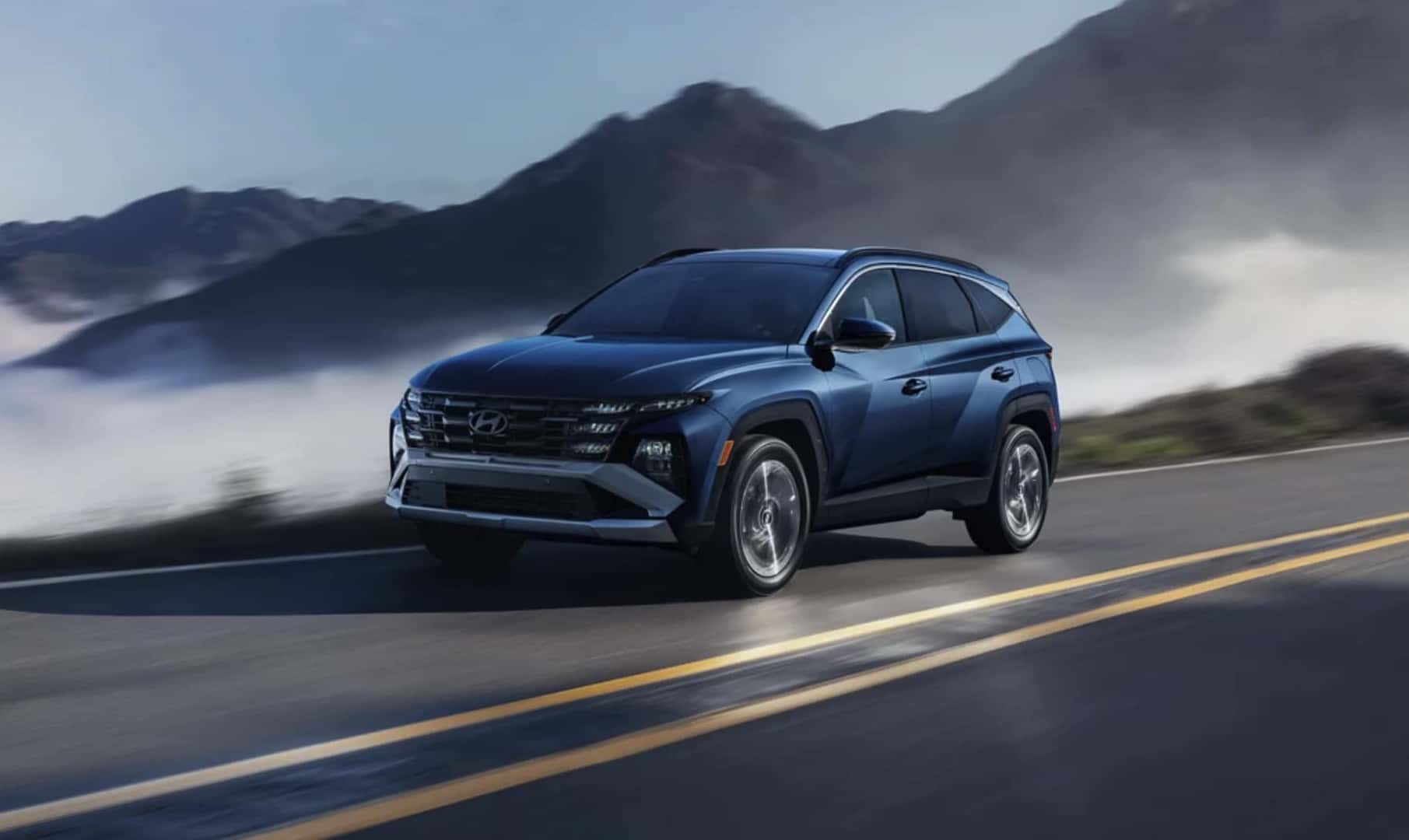
The Hyundai Tucson has become one of the more serious Toyota RAV4 competitors because it brings a lot of content to the table. The styling feels more modern, the dashboard presentation looks more tech-forward, and the hybrid version gives efficiency-focused shoppers another major option. It fits buyers who want a fresh design and visible value.
Mazda answers that question differently. Instead of trying to look more futuristic, Mazda focuses on cleaner design, better road feel, and a more mature cabin environment. For some shoppers, that ends up aging better and feeling more comfortable to live with.
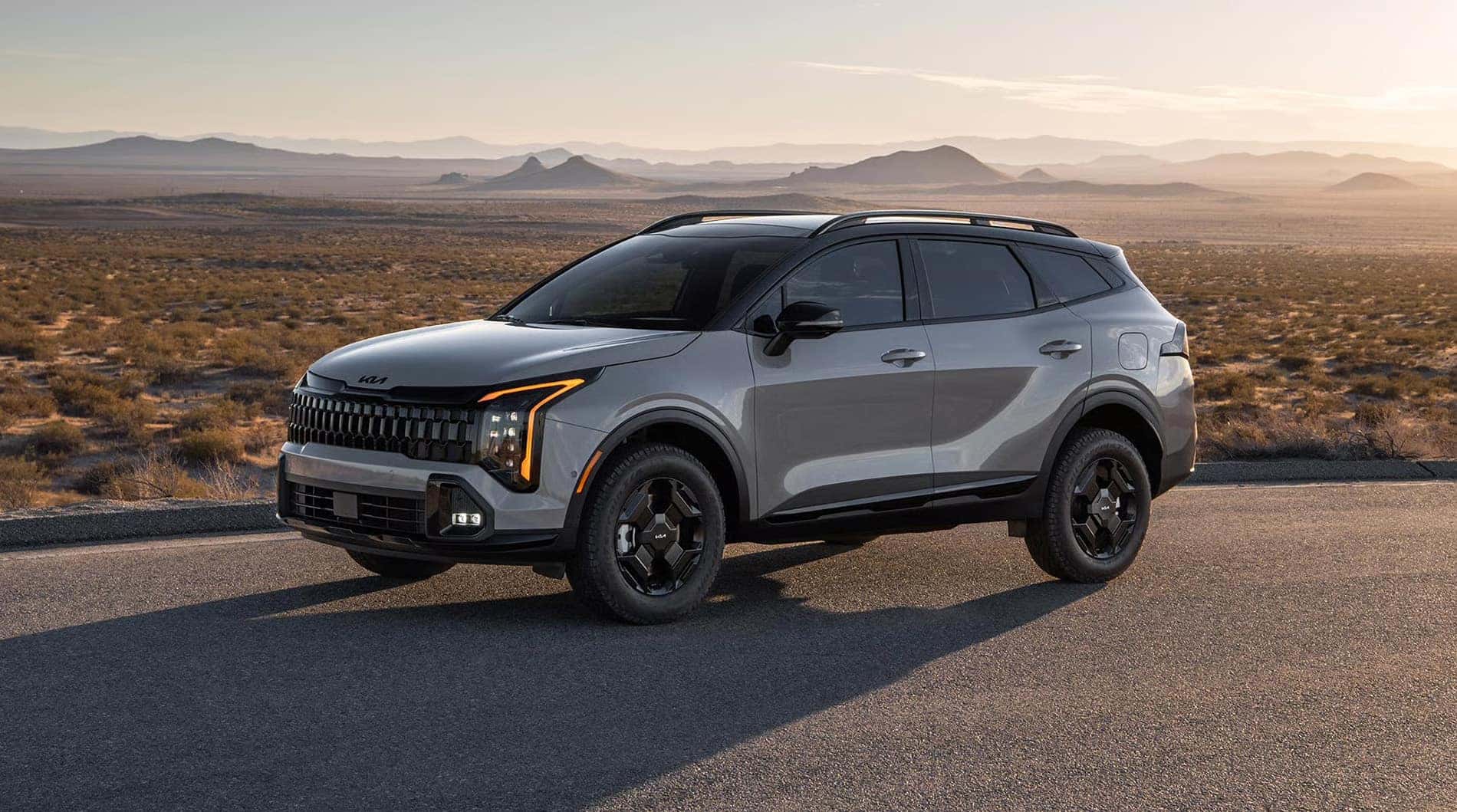
The Kia Sportage brings style, technology, and variety into the RAV4 conversation. It feels contemporary and competitive on paper. That makes it one of the more visible cars like the Toyota RAV4 for shoppers who want strong equipment value.
Where Mazda steps in is with a more grounded ownership experience. The CX-50 and CX-5 feel less driven by spec-sheet theater and more driven by how the vehicle actually behaves on real roads and in real routines.
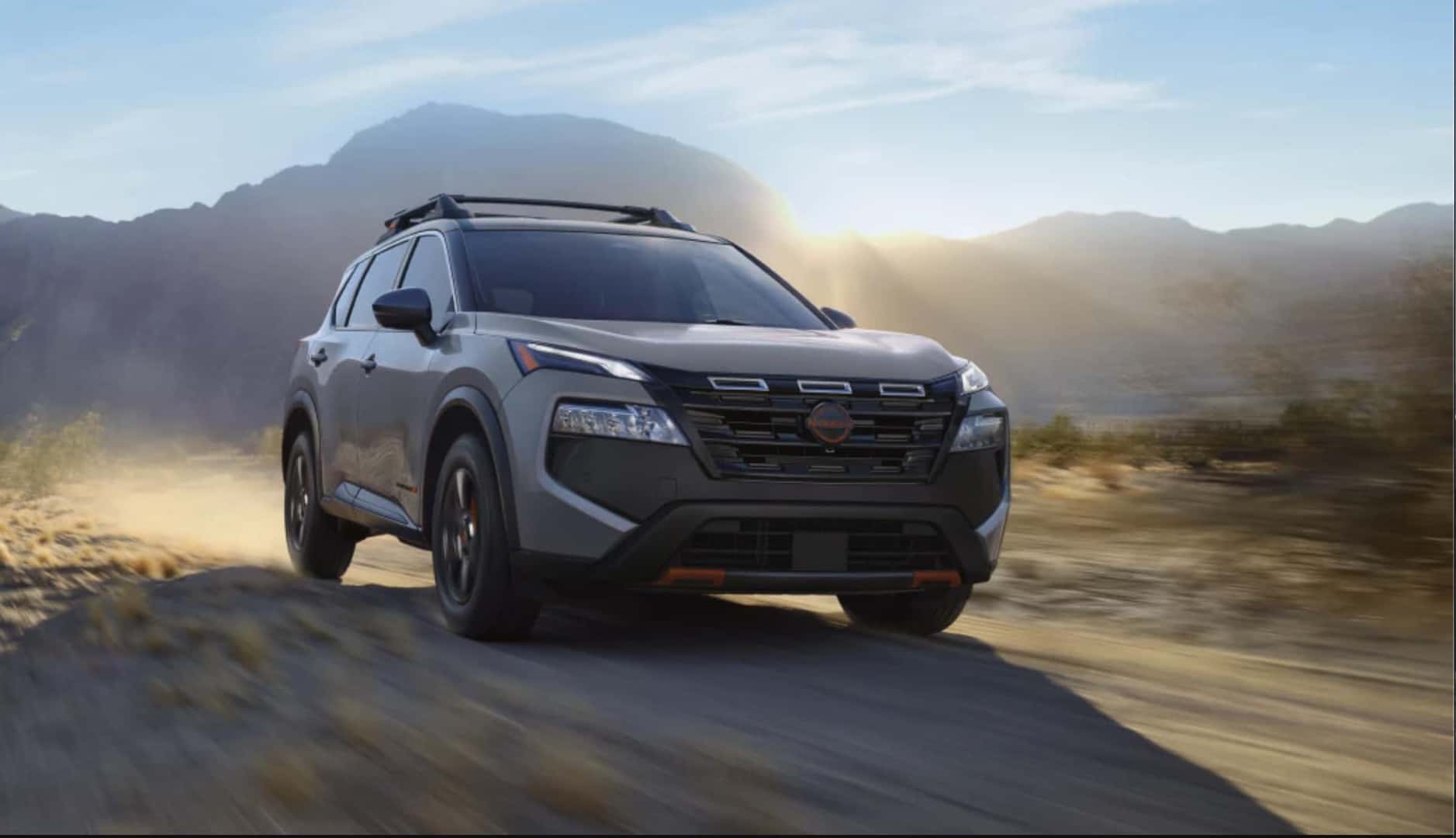
The Nissan Rogue earns its place among cars like the Toyota RAV4 by making daily use feel simple. It has a practical cabin, good feature content, and the kind of easygoing road manners a lot of drivers want from a commuter-friendly SUV. It makes sense for shoppers who prioritize value, comfort, and low-stress ownership.
That said, this is also the kind of comparison that opens the door for Mazda. The Rogue checks boxes. The CX-50 and CX-5 do that while giving the driver more confidence in how the vehicle responds and how the cabin feels over time.
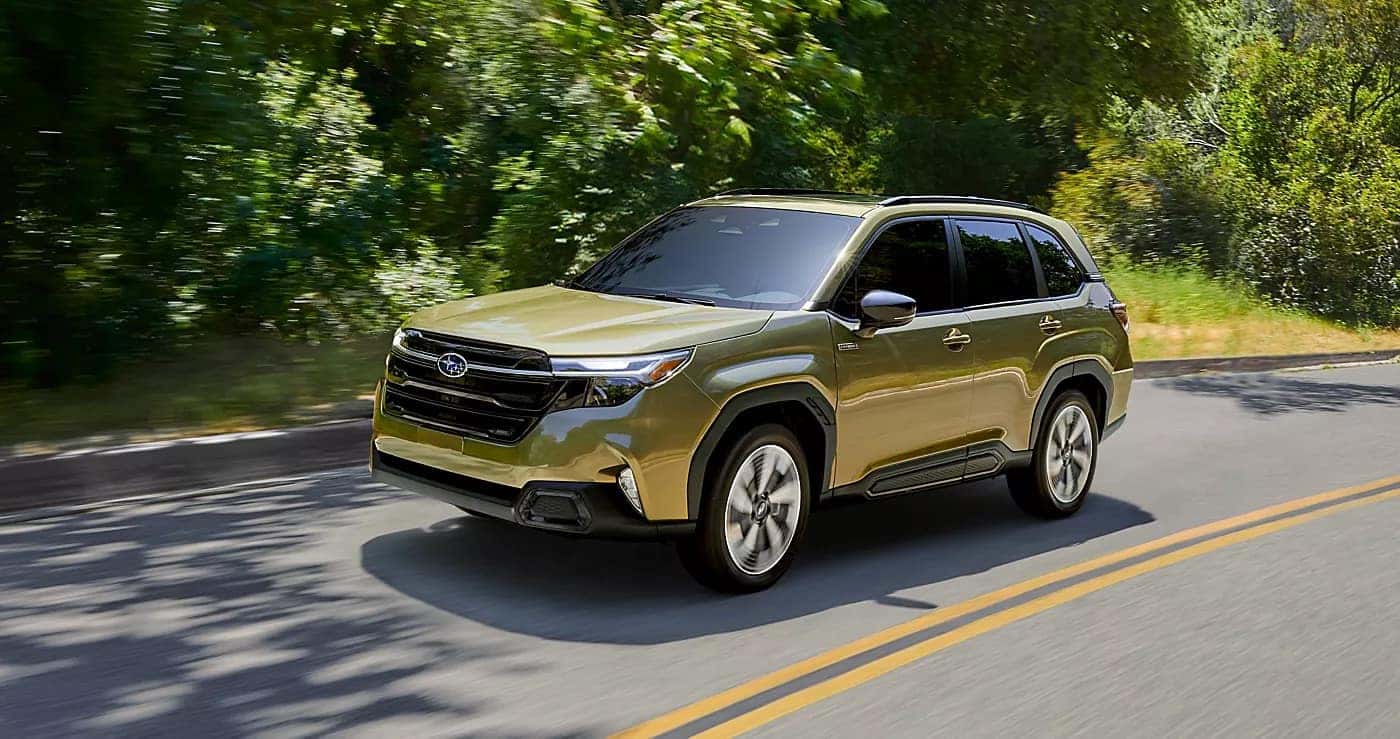
The Subaru Forester continues to hold its place among Toyota RAV4 competitors because standard all-wheel drive and a rugged identity still matter to a lot of buyers. It appeals to drivers who want visibility and a more outdoorsy personality.
The CX-50 becomes especially important in this comparison. It gives many of those same shoppers the utility and versatility they want, but in a package that feels more refined, more luxury, and more rewarding to drive every day.
Ready to See What Mazda Feels Like in Person?
See which Mazda compact SUV fits your routine best and compare the CX-50, CX-5, and CX-30 with our team at J.C. Lewis Mazda.
We see this comparison play out every day with drivers coming through from Savannah, Bluffton, Beaufort, and Hilton Head. The RAV4 usually makes the shortlist early because it’s familiar and dependable. But once people start looking closer at how these vehicles actually fit into their routine, the conversation shifts.
Mazda doesn’t try to mirror Toyota’s approach. It gives drivers a different answer depending on what matters most. The CX-50 stands out as the most balanced option for Lowcountry life, with the kind of space, control, and comfort that works just as well on a daily commute as it does heading out toward Tybee or loading up for the weekend. The CX-50 Hybrid gives efficiency-focused drivers a direct alternative without changing how the vehicle feels to drive. The CX-5 leans further into refinement with a quieter, more premium cabin, while the CX-30 keeps things compact and easy to manage for tighter streets and everyday errands.
That flexibility matters because not every RAV4 shopper is solving the same problem. Some want better fuel efficiency. Some want a cabin that feels more finished. Some want a vehicle that responds more naturally behind the wheel. We help drivers work through those differences every day, and Mazda gives us a way to match those needs without stepping outside the compact SUV space.
You want one SUV that does everything well and feels right every time you drive it. The CX-50 delivers the strongest overall balance of capability, comfort, and control without overcomplicating the experience.
You care about how your vehicle feels every day. The CX-5 delivers a quieter cabin, more refined materials, and a more connected driving experience than most compact SUVs in this class.
You want something compact that still covers your daily needs without feeling stripped down. The CX-30 is easy to maneuver, easy to park, and still delivers the comfort and quality you expect from a Mazda.
Choosing the right vehicle is one part of the decision. Choosing where to buy it matters just as much. At J.C. Lewis Mazda, we help shoppers compare compact SUVs in a way that actually reflects ownership, not just brochure language. That matters in the Lowcountry, where a vehicle needs to fit commuting, errands, changing weather, weekend plans, and everyday practicality without becoming a chore to drive.
We see exactly why so many RAV4 shoppers end up taking a serious look at Mazda. The CX-50, CX-50 Hybrid, CX-5, and CX-30 each answer a different version of the same question: what kind of compact SUV actually fits the way you live? We help you sort that out clearly. You can compare cargo space, seating comfort, hybrid options, and real-day usability in one place, then move forward with confidence instead of guesswork.